
The film industry has always evolved alongside technology—from silent films to sound, black-and-white to color, analog to digital. Today, the next major transformation is already underway. AI in the film industry is no longer a futuristic idea—it is an active force reshaping how movies are imagined, created, refined, and delivered to audiences worldwide.

At Advent Actor Studio, we view artificial intelligence not as a replacement for human creativity, but as a powerful collaborator—one that expands storytelling possibilities, improves efficiency, and unlocks new cinematic experiences.
This blog explores how AI is revolutionizing filmmaking across every stage, while also addressing the ethical and creative responsibilities that come with it.
Artificial Intelligence refers to systems that can analyze data, recognize patterns, learn from experience, and make intelligent decisions. In cinema, AI is used to automate repetitive tasks, enhance precision, support creative decision-making, and predict audience behavior.
Rather than replacing filmmakers, AI in filmmaking acts as a creative assistant—helping artists focus more on storytelling and emotional depth, while technology handles complexity and scale.
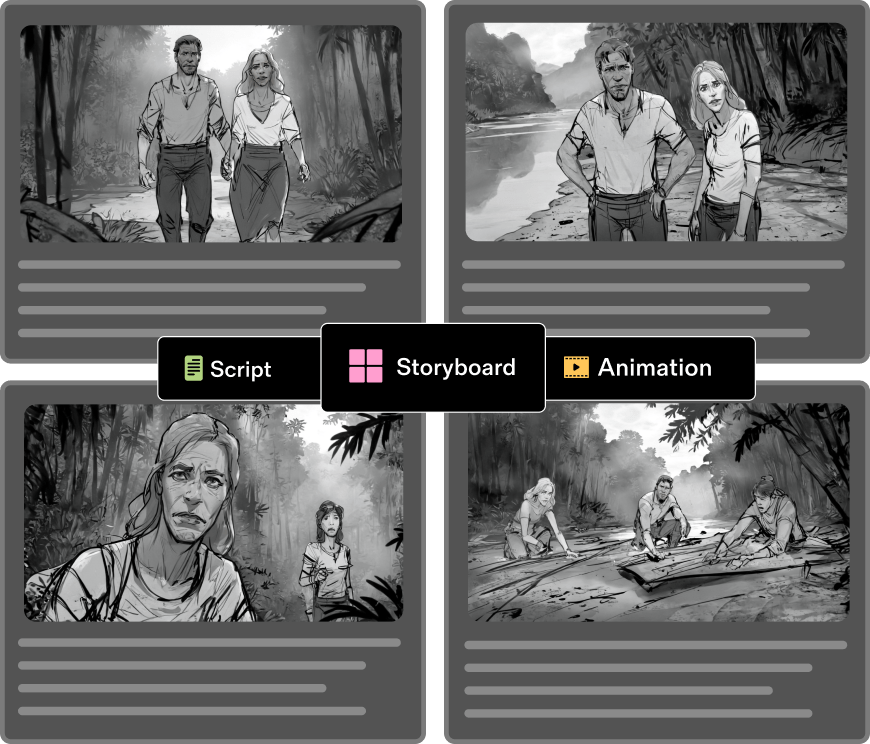
Scriptwriting is one of the most creative yet time-intensive stages of filmmaking. AI tools can now analyze thousands of scripts to identify narrative patterns, successful story arcs, and character structures.
AI-assisted writing tools help:
Generate story ideas and plot outlines
Suggest dialogue improvements
Explore non-linear storytelling concepts
Overcome creative blocks
These tools don’t replace writers—they expand the creative canvas, giving storytellers more directions to explore.
Pre-production logistics can make or break a project. AI simplifies complex planning by:
Creating optimized shooting schedules
Predicting budget requirements
Identifying cost-saving opportunities
Managing resource allocation
By reducing uncertainty early on, AI allows filmmakers to focus more on creative intent rather than operational stress.
Casting traditionally depends on auditions, intuition, and experience. AI enhances this process by analyzing:
Previous performances
Audience engagement data
On-screen chemistry potential
AI can recommend actors who best match specific roles, making casting more efficient and data-informed.
One of the most disruptive developments in AI in movies is the rise of virtual actors. AI-generated characters can:
Perform dangerous or physically demanding scenes
Appear in large-scale or fantasy environments
Reduce production risks and limitations
While human actors remain irreplaceable, virtual characters add flexibility to modern storytelling.
AI enables real-time visualization of special effects during filming. Directors can instantly see how scenes will look after effects are applied, allowing creative adjustments on the spot.
This results in:
Better creative control
Faster production cycles
Higher visual consistency
Post-production is where raw footage becomes a cinematic experience. AI tools now:
Sort and organize footage automatically
Identify the best takes
Suggest scene transitions and pacing
Editors gain more time to focus on emotional flow and narrative rhythm, rather than repetitive technical work.
Sound is essential to storytelling. AI enhances audio production by:
Cleaning background noise
Enhancing dialogue clarity
Generating original music scores based on mood and pacing
AI-composed music adapts to the emotional tone of scenes, offering filmmakers faster and flexible sound solutions.
AI plays a crucial role after a film is completed. By analyzing viewing habits, social trends, and demographic data, AI can:
Predict audience preferences
Forecast box office performance
Suggest optimal release strategies
This makes AI in the film industry a strategic asset—not just a creative tool.
Modern audiences expect personalized experiences. AI enables:
Targeted advertising campaigns
Personalized trailers and posters
Optimized content delivery across platforms
This ensures films reach the right audience with the right message at the right time.

AI is also revolutionizing film preservation. Old and damaged footage can now be restored using AI to:
Remove scratches and visual noise
Restore faded colors
Upscale resolution to modern standards
Interpolate missing frames
This allows classic films to be preserved and experienced by future generations without losing their original essence.
Text-to-video technology allows creators to generate video scenes directly from written descriptions. This innovation:
Reduces dependence on traditional filming
Enables rapid prototyping of ideas
Democratizes video creation
While still evolving, text-to-video AI signals a future where imagination can instantly take visual form.
As AI becomes more integrated, important concerns arise:
Data privacy and consent
Job displacement in creative roles
Bias in AI-generated content
Responsible use of AI requires transparency, inclusivity, and respect for human contributors.
Cinema is an art form. While AI can assist, final creative authority must remain human. Over-automation risks:
Loss of originality
Formula-driven storytelling
Reduced emotional authenticity
The true power of AI lies in collaboration, not control.
At Advent Actor Studio, we integrate AI thoughtfully into our creative process:
AI-assisted pre-production planning
Smarter production workflows
Faster, precision-driven post-production
Data-backed distribution strategies
Our goal is simple:
Use technology to elevate creativity, not replace it.
We believe the future of cinema belongs to studios that balance innovation with artistic integrity.
AI will continue to evolve—but storytelling will always remain human at its core. Technology can enhance speed, scale, and precision, but emotion, vision, and meaning come from people.
The future of filmmaking is not AI vs humans.
It is AI with humans.

The rise of AI in the film industry marks one of the most transformative eras in cinematic history. From idea to screen, from past restoration to future creation, AI is redefining what’s possible.
At Advent Actor Studio, we stand at this intersection of art and technology—crafting stories that are emotionally rich, visually powerful, and future-ready.
🎬 The tools may evolve, but great stories will always lead the way.






7 Responses