
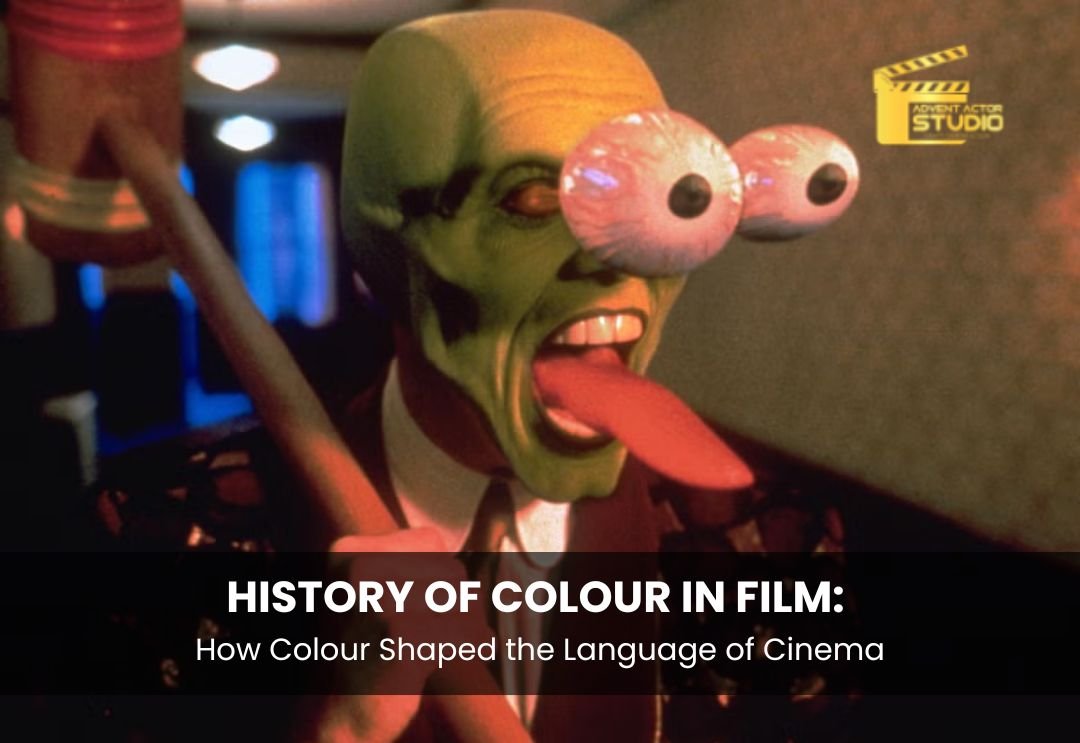
Colour is one of the most powerful tools in visual storytelling. It influences emotion, perception, mood, and meaning—often without the audience even realizing it. From the earliest days of cinema, filmmakers understood that colour could elevate films beyond mere moving images. The history of colour in film is not just a technical evolution; it is a creative journey that reshaped how stories are told on screen.
At Advent Actor Studio, colour is treated as a narrative language. Understanding where cinematic colour began—and how it evolved—helps modern filmmakers use it with intention, depth, and artistic clarity.
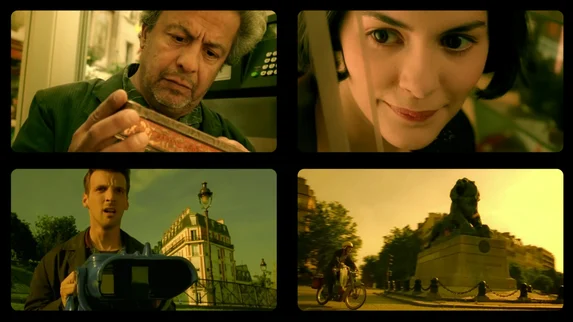

In the late 19th century, cinema was born in black and white. However, filmmakers quickly began experimenting with ways to introduce colour into moving images. One of the earliest techniques was hand colouring, where artists manually painted individual frames of film.
This process was incredibly labour-intensive but visually striking. Early films used selective colouring—often highlighting costumes, flames, or movement—to add spectacle. Although hand colouring brought magic to short films, it was not scalable. Painting thousands of frames for longer films was impractical, pushing innovators to seek more efficient methods.

As cinema expanded, the industry needed faster ways to apply colour. This led to mechanised stencil colouring, most notably through the Pathécolor process. Instead of painting each frame by hand, stencils were used to apply specific colours consistently across film prints.
This technique made colour films easier to reproduce and distribute, helping colour become more accessible. While still limited in realism, stencil colouring marked an important step in the evolution of colour in cinema.

One of the first systems designed to simulate natural colour was Kinemacolor, introduced in the early 20th century. It used rotating red and green filters during filming and projection to create the illusion of colour.
Although technically imperfect—often producing visual distortions—Kinemacolor proved something essential: audiences were excited by colour films. This commercial success encouraged continued experimentation and investment in colour technology.
Before full-colour films became viable, filmmakers developed creative ways to use colour symbolically. Tinting and toning became popular methods for adding emotional context to black-and-white films.
Tinting coloured the lighter areas of an image
Toning coloured the darker areas
Blue often represented night or sadness, red suggested danger or passion, and amber conveyed warmth. These techniques allowed filmmakers to guide emotional responses and visual storytelling long before realistic colour reproduction existed.
By the 1920s, colour had already become a narrative device rather than just a visual enhancement.

When people think about classic colour films, they often think of Technicolor. This process became the defining milestone in the history of colour in film. The three-strip Technicolor system captured red, green, and blue separately, combining them into richly saturated colour images.
This era—often called the Golden Age of Technicolor—saw colour used for spectacle, fantasy, and emotional contrast. Filmmakers discovered that colour could transport audiences to new worlds and enhance storytelling in powerful ways.
Technicolor films required significant investment, making them common in high-budget productions. Yet their impact permanently changed audience expectations and cinematic aesthetics.
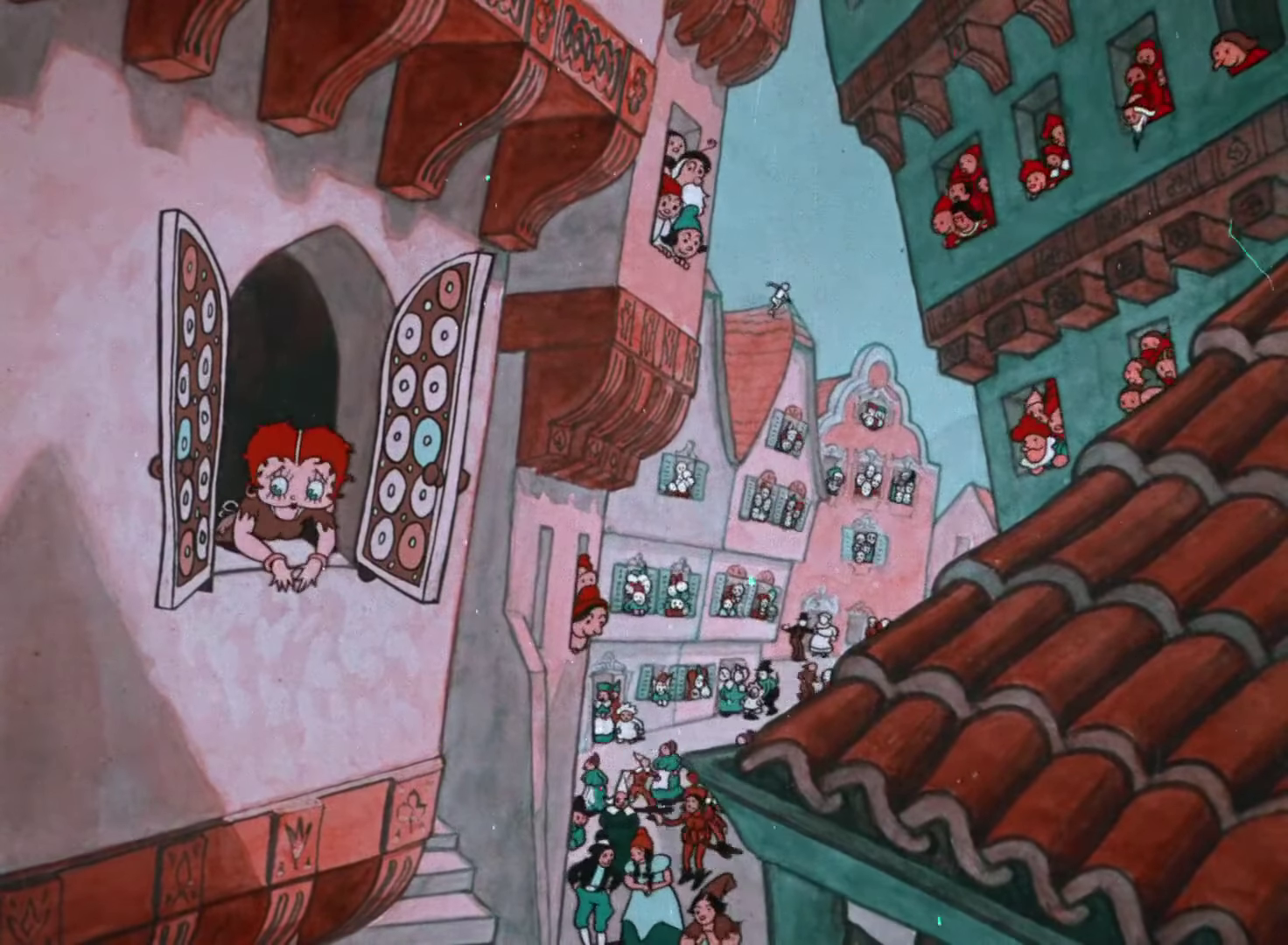
While Technicolor offered unmatched quality, it was expensive. To meet growing demand, more affordable colour systems emerged. Two-colour processes like Cinecolor and Trucolor allowed smaller studios to produce colour films at lower costs.
Although these methods had limited colour ranges, they played a crucial role in democratizing colour filmmaking. Genres such as Westerns and animation embraced these alternatives, expanding the creative use of colour beyond major studios.
A major breakthrough arrived with Eastmancolor in the 1950s. This single-strip colour film was easier to use, more cost-effective, and compatible with standard cameras. It quickly replaced earlier complex systems and transformed filmmaking workflows.
Because Eastmancolor was more accessible, filmmakers began experimenting freely with colour. Colour became a standard storytelling tool rather than a luxury reserved for special productions.
As television became widespread, films needed to be adapted for broadcast. Telecine technology allowed films to be transferred into video formats while preserving colour accuracy.
This process bridged traditional film production and modern digital workflows, setting the stage for digital colour manipulation and post-production innovation.
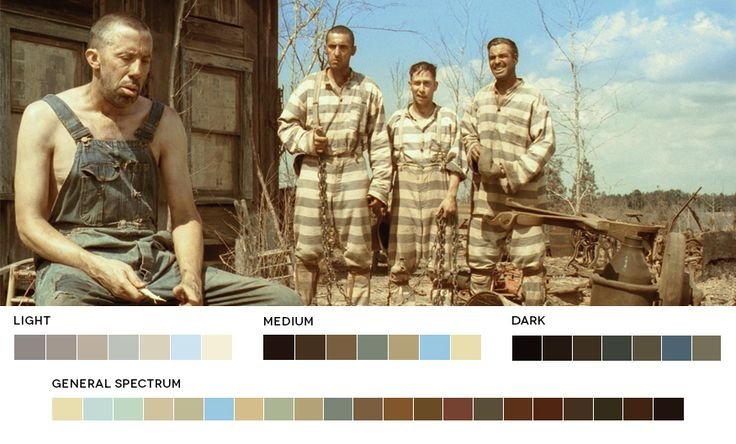
The late 20th century introduced digital intermediate (DI) processes, where films were scanned into digital formats for colour correction and enhancement. This marked a creative revolution.
With digital colour grading:
Filmmakers gained precise control over colour and contrast
Scene-by-scene adjustments became possible
Visual effects and colour could be seamlessly integrated
Digital grading allowed filmmakers to create distinct visual identities and moods that were previously impossible with chemical processing alone.
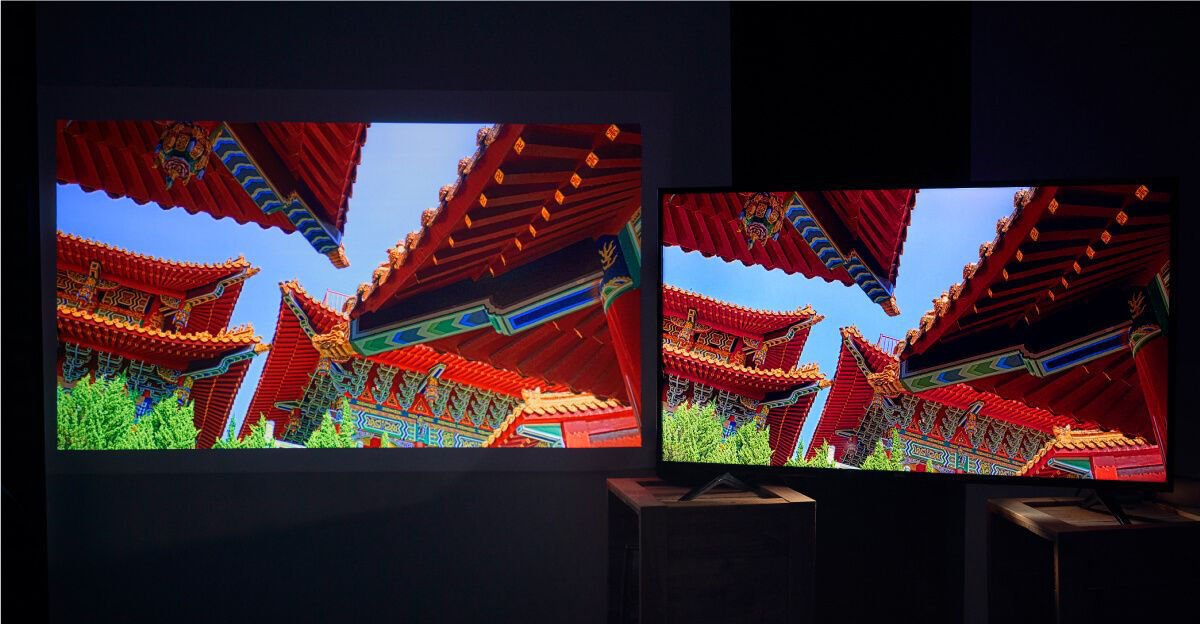
Today, High Dynamic Range (HDR) represents the latest advancement in cinematic colour. HDR expands contrast, brightness, and colour range, producing images that feel more immersive and lifelike.
Modern films use HDR not only for realism, but also to heighten atmosphere, tension, and emotional depth. Colour has become more expressive than ever, serving both technical excellence and artistic vision.
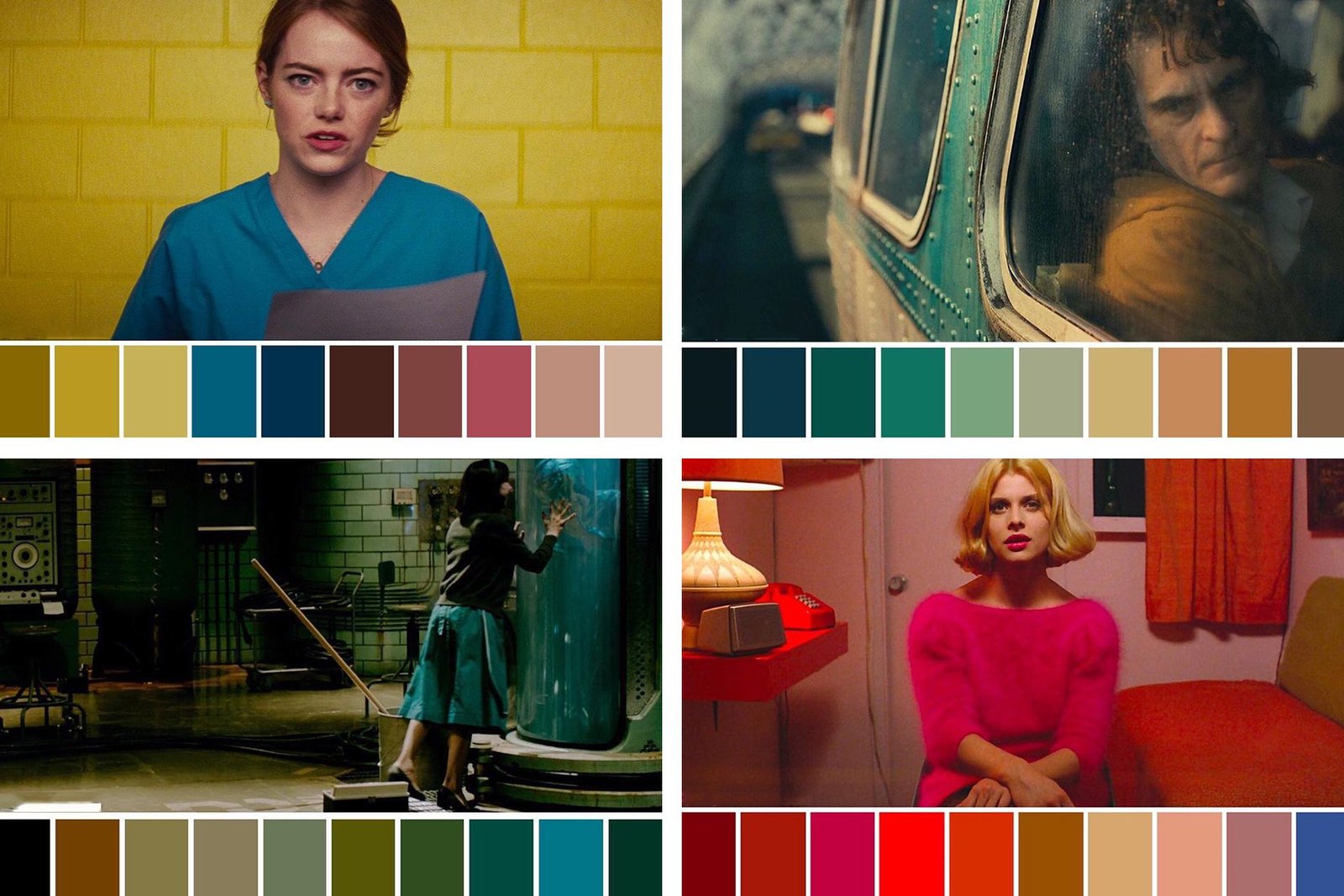
As colour technology evolved, filmmakers learned to use it symbolically. Colour began to represent themes, emotions, and character psychology.
Directors used colour to:
Signal danger, desire, or transformation
Define genre aesthetics
Create visual symbolism
Establish distinctive directorial styles
Colour is now inseparable from cinematic language, influencing how audiences interpret stories on a subconscious level.
Animation embraced colour early, recognizing its importance in world-building and emotional storytelling. Colour became central to animated films, shaping tone, character identity, and visual imagination.
The success of early colour animation proved that colour was not optional—it was essential.
At Advent Actor Studio, colour is treated as a storytelling choice, not a technical afterthought. Every hue, contrast, and palette is selected to support narrative intent and emotional resonance.
By understanding the history of colour in film, modern creators can combine tradition with innovation—using digital tools while respecting cinematic heritage.

From hand-painted frames to advanced digital grading, the evolution of colour has reshaped cinema into a richer and more expressive art form. The history of colour in film reflects a constant dialogue between technology and creativity.
As filmmaking continues to evolve, colour remains one of the most powerful ways to communicate emotion, meaning, and story—without saying a single word.
🎬 Technology may change, but colour will always speak to the heart of cinema.







8 Responses